Degradation Properties Testing

Our laboratory conducts controlled degradation studies on plastics, polymers, rubbers, elastomers, composites, and coated materials to assess durability, performance retention, and long-term stability.

Kiyo R&D Lab supports degradation testing for applications in automotive, industrial manufacturing, bus, truck & rail, aerospace, construction, and electrical & electronics sectors.

All testing is performed using calibrated equipment and documented procedures in line with laboratory quality requirements.

degradation properties kiyorndlab

Plastic Degradation Properties Testing

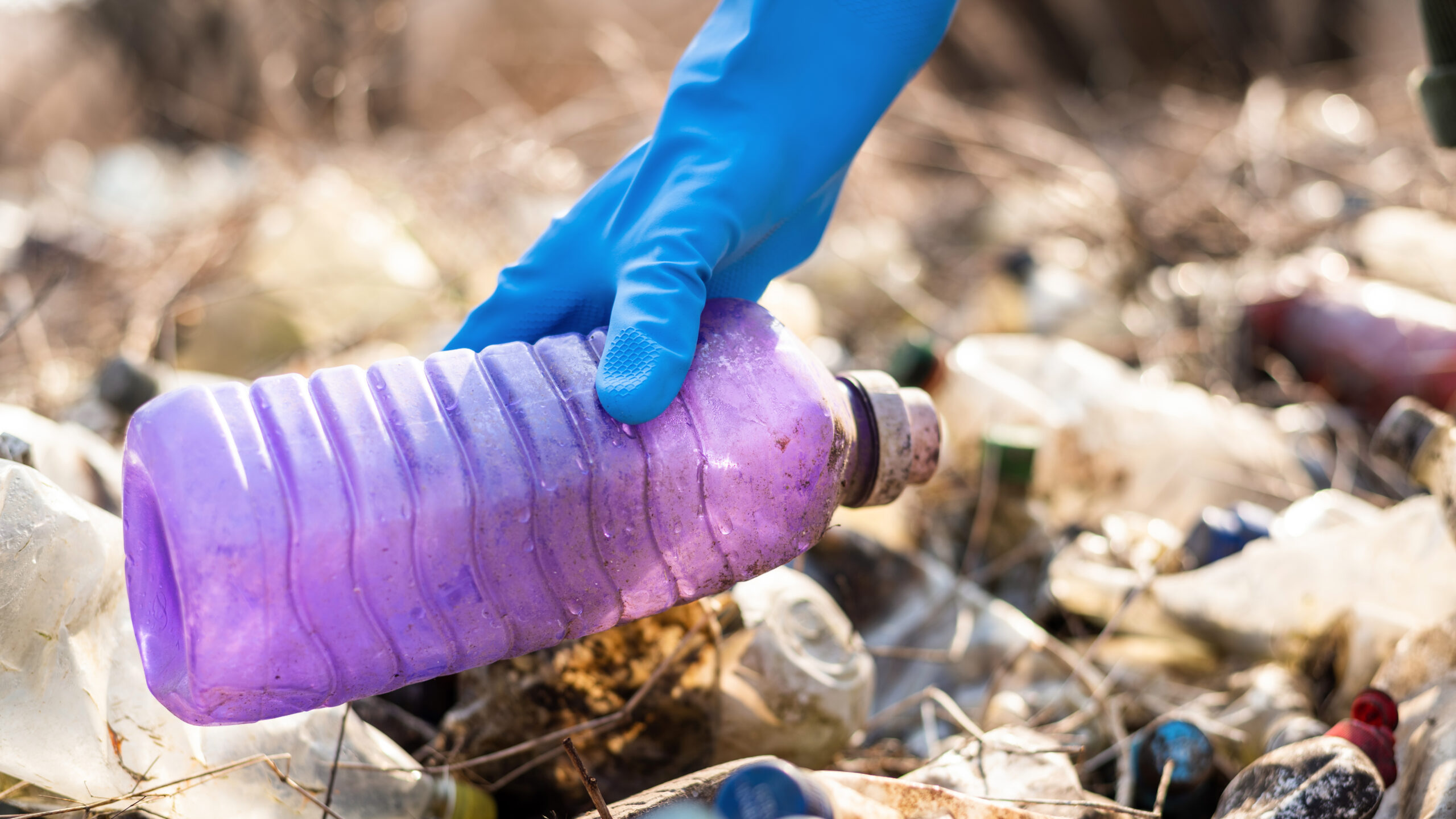
KIYO R&D Center and Laboratory specializes in comprehensive testing services for evaluating the degradation properties of plastic materials. With our advanced facilities and experienced team of experts, we provide accurate and reliable results to help you understand the degradation behavior, durability, and performance of plastics over time.
Degradation properties testing is essential for assessing how plastic materials change and deteriorate under various environmental conditions, including exposure to heat, light, moisture, chemicals, and mechanical stress.
degradation properties sub image

Some of Our Degradation Properties Testing Services

Degradation Properties Testing is commonly used for material selection, quality validation, failure analysis, process change evaluation, and service life prediction.

thermal degradation

Thermal Degradation

We assess the response of plastic, polymer, rubber, and elastomeric materials to elevated temperatures to determine their ability to withstand heat exposure without significant degradation, loss of mechanical properties, dimensional instability, or structural changes over time.
UV Degradation

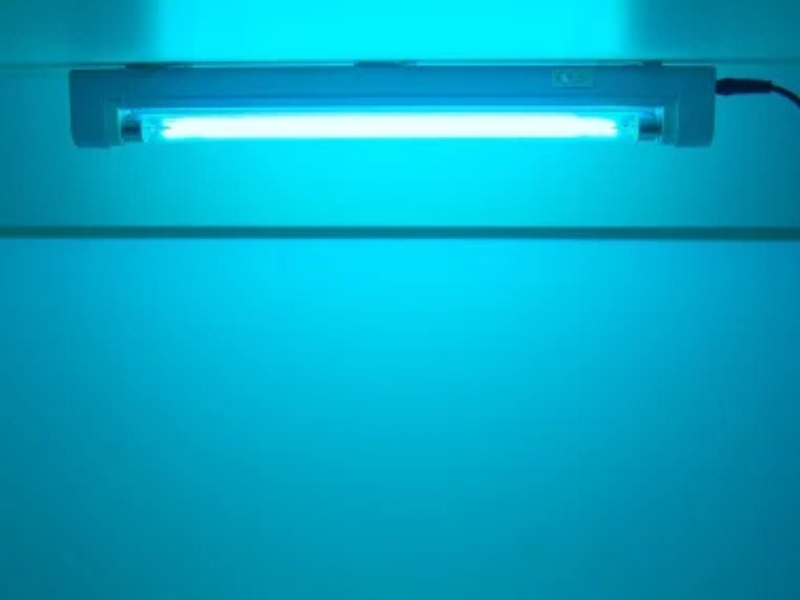
We evaluate the resistance of plastic and polymer materials to ultraviolet (UV) radiation, which can cause discoloration, surface cracking, embrittlement, and loss of strength. This testing helps assess material suitability for outdoor and sunlight-exposed applications.
chemical degradation

Chemical Degradation

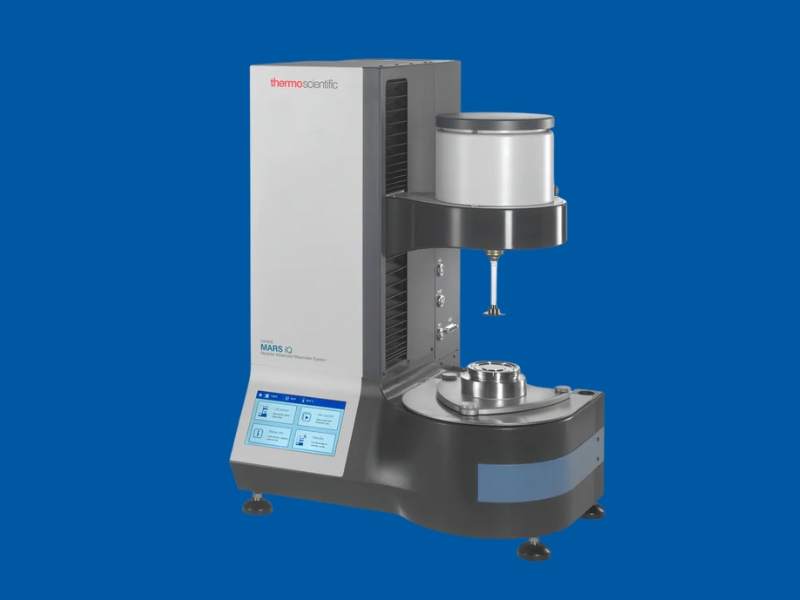
We evaluate the effect of chemical exposure on plastic, polymer, rubber, and elastomeric materials by assessing changes in mass, dimensions, mechanical properties, and surface condition after contact with acids, alkalis, solvents, oils, and other service chemicals.
environmental stress cracking

Environmental Stress Cracking

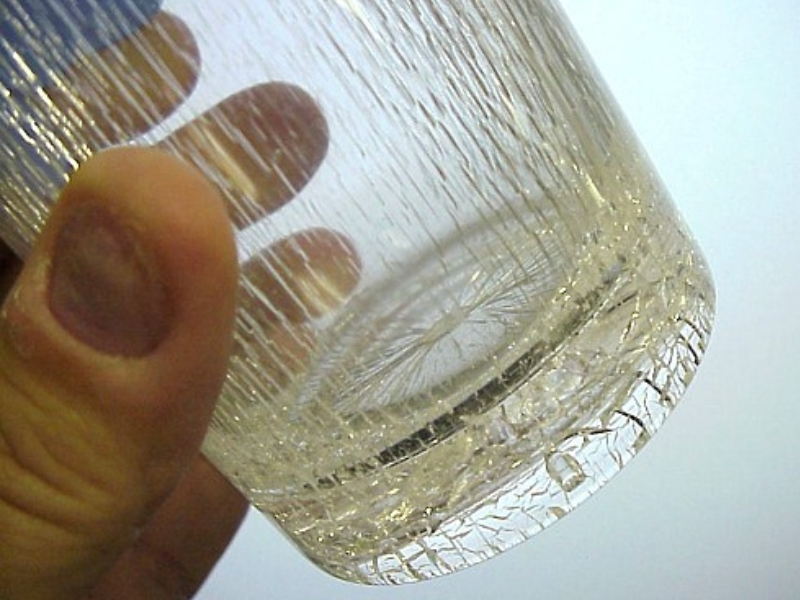
We assess the susceptibility of plastic materials to environmental stress cracking, which occurs when the combined action of chemicals and mechanical stress leads to crack initiation or failure. This evaluation helps identify material limitations under real-world service conditions.
moisture absorption

Moisture Absorption

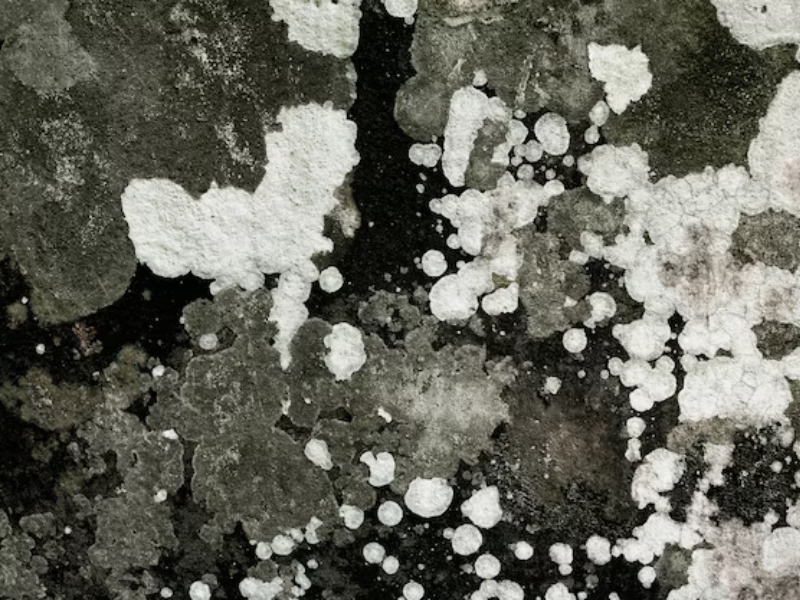
We measure the extent to which plastic, polymer, and elastomeric materials absorb moisture when exposed to humid or wet environments. This evaluation helps assess dimensional changes, loss of mechanical properties, and susceptibility to degradation or microbial growth over time.
mechanical property changes

Mechanical Property Changes

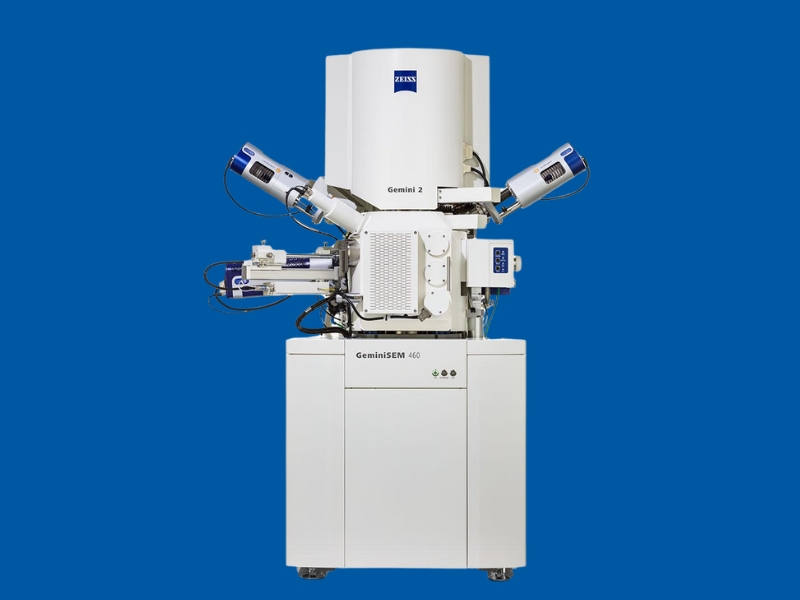
We evaluate the impact of degradation on the mechanical properties of plastic and polymer materials by measuring changes in strength, flexibility, hardness, and impact resistance after exposure to defined aging or environmental conditions.
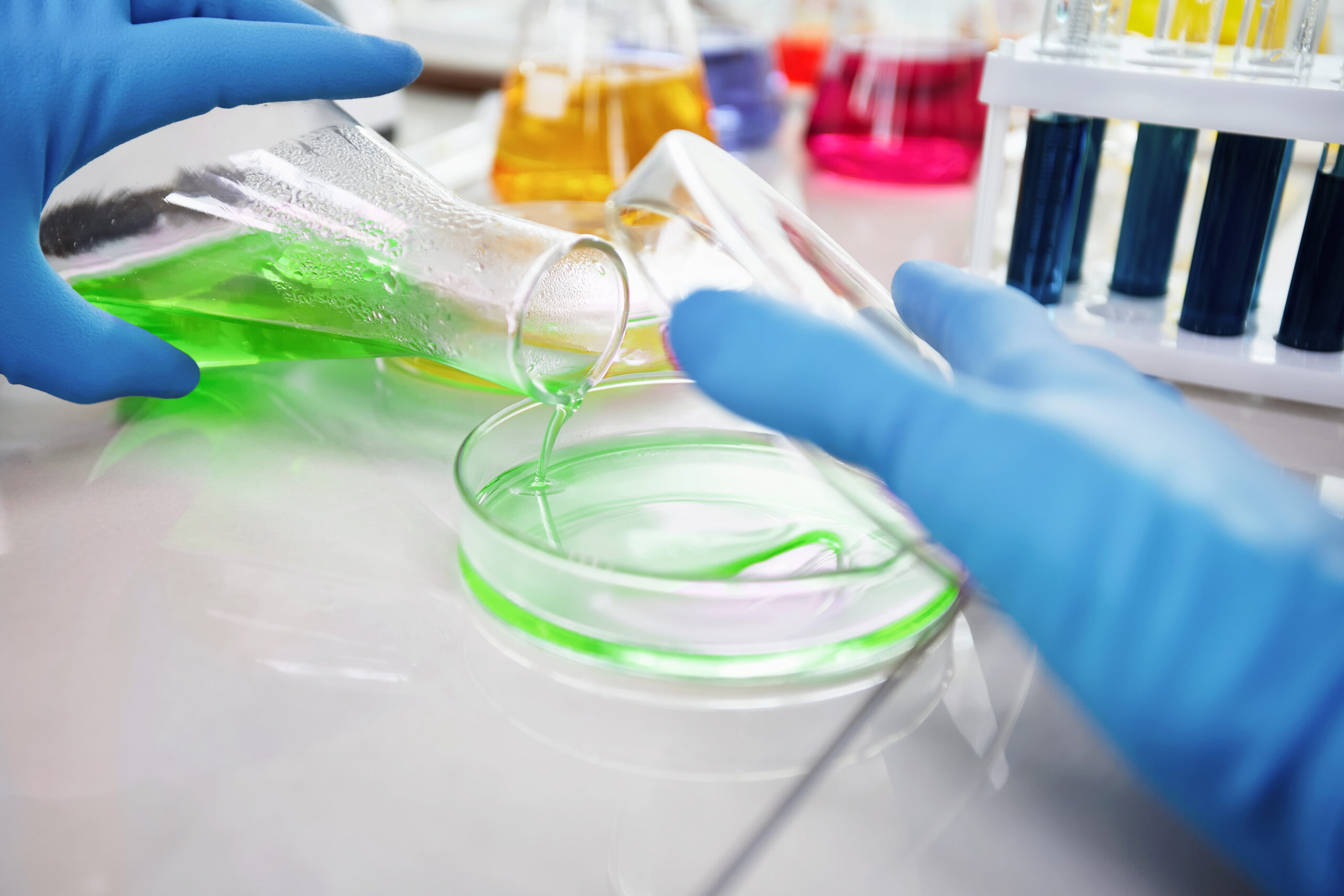
Degradation Properties Testing

Degradation Properties Testing

Test programs are customized based on material type, end-use environment, and relevant national or international standards.

Degradation Properties Testing –Needs to Use Every Purpose

Material degradation leads to gradual loss of strength, flexibility, and functionality under heat, chemicals, UV, stress, and time. 

May i Help You!
Scroll to Top